

I have my routines.

The older I get, the more entrenched I get in these routines and the more annoyed I become when said routines are interrupted.
I get up and make a pot of coffee at a particular time and in a certain way every morning.
I have a particular place I sit and have my quiet time in the morning with my coffee that I fixed a particular way. This then continues into my method of getting ready for the day – laying out my clothes (the night before), showering, brushing my teeth, mouthwash, etc. It is all done in……..you guessed it, a particular order and in a particular way.
When this routine gets derailed in any manner, I quickly become unraveled, crawl under the kitchen table, and am simply unable to function as a sane human being for the remainder of the day. Okay, it’s not quite that bad…but close.
You may be the same way. Maybe you can’t relate at all. But there’s a passage in the Gospel of John that comes to mind as I reflect upon my excessive routine.

A Divine Encounter with a Samaritan Woman
In John chapter four, Jesus, passing through Samaria, happens upon a Samaritan woman drawing water from a well. Perhaps you know the story well. If not, I encourage you to read the whole story. In short, Jesus introduces her to His living water, as opposed to the temporary water of the well she was drawing from.
Convicted, and realizing His spiritual authority, she immediately changes the subject and tries to engage Jesus in an argument about Samaritan worship versus Jewish worship. The Samaritans had their routine – a particular place and way to worship God. Don’t mess with it. The Jews, too had their particular routine and place of worship.
But, in so many words, Jesus minimizes this dispute and focuses the attention on a much deeper issue. He tells her, “True worshipers will worship the Father in spirit and truth, for the Father is seeking such people to worship Him” (John 4:23). Since Jesus had arrived and consequently ushered in the kingdom and the New Covenant, worship would now be done differently.
Something Entirely New
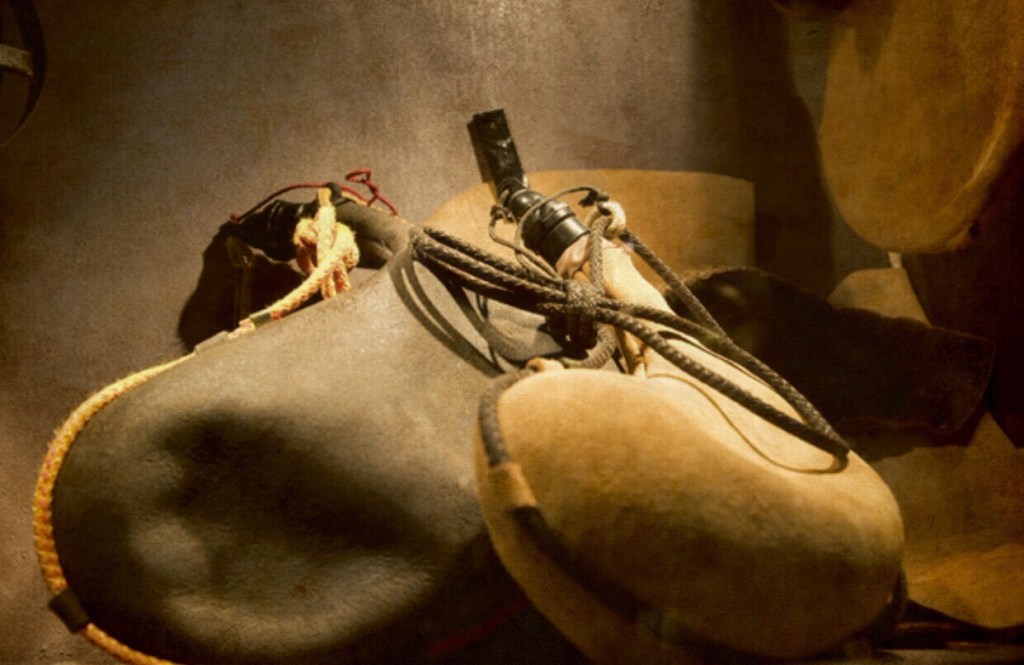
This was a new concept Jesus was presenting to this Samaritan woman. She (and pretty much everyone else at the time – Jew and Samaritan alike) was accustomed to worship that was performed at a particular location at specific times and in a prescribed manner.
This of course is best exemplified in the Old Testament passages describing and prescribing Tabernacle, and later Temple worship, employing mediator-priests, offering a multitude of specific sacrifices on fiery altars, and keeping a calendar full of various feasts.
So, it must have been downright hard to grasp, to say the least, when Jesus said, “You won’t worship on “this mountain (where the Samaritans worshiped) or in Jerusalem (where the Jews worshiped).” I feel sure Jesus could have argued with this woman for hours about the correctness of Jewish worship (He was a Jew!). But instead, He honed in on a much larger reality.
What Is Spirit?
He went on to say that God is Spirit (He has no form, no locale, He’s not bound by time) and therefore seeks worshipers who will worship Him in spirit (no particular form, no particular place, no particular time).
Just one chapter earlier in John’s gospel Jesus said, “That which is born of the flesh is flesh, and that which is born of the Spirit is spirit” (John 3:6, italics mine). So, since God is Spirit, we must worship Him accordingly.
What Is Truth?
But what about truth? What is truth? It’s the age-old question that even Pontius Pilate posed to Jesus. As Christians we believe that truth comes from scripture, which is the inspired Word of God. But here, more specifically, John is speaking of The Truth!
Later in this same gospel, John records Jesus’ own words that He Himself is, “The way, and the truth, and the life, no one comes to the Father except through me” (John 14:6, italics mine). In his commentary on the Gospel of John, Edwin Blum writes, “True worshipers are those who realize that Jesus is the Truth of God and the one and only Way to the Father. To worship in truth is to worship God through Jesus.” (The Bible Knowledge Commentary, 286).
Additionally, the author of Hebrews wrote, “Therefore through (Jesus), let us continually offer up a sacrifice of praise to God” (Hebrews 13:15, italics mine). So, when we worship in truth, we worship in and through Jesus Christ!

Take Away for Today
So much from this passage can still be unpacked, and gallons upon gallons of rich theology can be squeezed from these verses, but I’d like to wrap up this brief devotion by offering you just one refreshing cup.
Here’s a beautiful truth: Jesus is putting to one side the many issues that divide worshipers, and is nudging us altogether to a powerfully unifying spirit-and-truth kind of worship. Despite the theological, doctrinal, methodological, and even stylistic differences we adhere to, we are nevertheless unified at the very core of our worship, which is simply spirit and truth.
We, as brothers and sisters in Christ (Methodist, Presbyterian, Assemblies of God, Baptists, Hispanic, African, Caucasian, Asian, Contemporary, Traditional, and so on) equally redeemed by His precious blood and presented before the throne of God as righteous and holy, can worship the One who has purchased us and made us one, in spirit and in truth.
Please leave a comment below and let me know how this passage in John 4 has spoken to you about worship!
 Sean's World Beat
Our carnality often inhibits our ability to personify the spirit and truth effectively. As a believer, the possession of the indwelling Spirit of God seeks the daily transformation of our lives to experience the freedom and liberty in worship internally and externally. There is no doubt in the John 4 passage that our Lord conveyed to the woman and his disciples the necessity of a biblical worldview based upon truth Our theology is often skewed by traditions rather than truth. All believers must crucify these inhibitors and live their lives within the fullness of grace (Galatians 2:20). Just some thoughts.
LikeLiked by 1 person